
Naim's 282, Dhaka Division's Second Place — and an NCL Round That Produced One Result in Four
**मुख्य उत्तर**: नईम शेख ने ढाका डिवीजन के लिए 282 रन (369 गेंद, स्ट्राइक रेट 76.4) बनाए और टीम अंकतालिका में दूसरे स्थान पर पहुँची। यह बांग्लादेश राष्ट्रीय क्रिकेट लीग का चार दिवसीय प्रथम श्रेणी मुकाबला है, टेस्ट नहीं; इसलिए ये आँकड़े अंतरराष्ट्रीय मानकों से सीधे तुलनीय नहीं हैं। **मुख्य तथ्य**: - नईम शेख: 282 रन, 369 गेंद, 21 चौके, 7 छक्के; बाउंड्री से 126 रन (44.7 प्रतिशत)। - महिदुल इस्लाम अनकों (165) के साथ चौथे विकेट पर 363 रन की साझेदारी। - राजशाही पहली पारी में 162 पर ऑलआउट, फॉलोऑन के बाद 256; सुमोन खान 4, वासी सिद्दीकी 4, अनमुल हक़ 3 विकेट। - सिलहट ने चौथे दिन 623/6 पर पारी घोषित की; खुलना 199/7 पर मैच एक घंटा शेष रहते समाप्त हुआ। - अमिते हसन का तीसरा दोहरा शतक (335 गेंद, 16 चौके, 2 छक्के); महफिजुल इस्लाम 217* रन पर 642 मिनट क्रीज़ पर। **स्रोत**: बांग्लादेश क्रिकेट बोर्ड (BCB) एनसीएल राउंड-अप | प्रकाशन तिथि: 19 जनवरी, 2026 | Cross-checked: cricsultan.com **संबंधित प्रश्नोत्तर**: प्रश्न: नईम शेख के 282 रन किस प्रारूप में बने? उत्तर: ये बांग्लादेश राष्ट्रीय क्रिकेट लीग के चार दिवसीय प्रथम श्रेणी मुकाबले में बने, टेस्ट क्रिकेट में नहीं। प्रश्न: एनसीएल के इस राउंड में कितने मैच नतीजे पर पहुँचे? उत्तर: चार रिपोर्ट किए गए मुकाबलों में केवल ढाका डिवीजन बनाम राजशाही का मैच स्पष्ट नतीजे पर पहुँचा, यानी लगभग 25 प्रतिशत। प्रश्न: इस राउंड में कोई पाँच-विकेट हॉल क्यों दर्ज नहीं हुआ? उत्तर: किसी भी गेंदबाज़ ने चार विकेट से अधिक नहीं लिए, जो गेंदबाज़ी की पतली गहराई और गेंदबाज़ों के अनुकूल न रहने वाली सतहों का संकेत है।
282 runs, 369 balls, a strike rate of 76.4. In four-day cricket that number tells you a batter gave the ball time and did not get out. It does not tell you what bowling he faced. That is a separate question, and the answer sits not in Naim's bat but in the other three scorecards from the same round.
In the same round, Sylhet declared at 623 for 6 — on the fourth and final day. Rajshahi were 10 for 3 at one stage, bowled out for 162, then 256 after following on. Mahfijul Islam finished 217 not out and spent 642 minutes at the crease. Across the entire round, not one five-wicket haul was reported.
I count deliveries the way other people count regrets — quietly, past midnight. What stung first in this round's count was a bowler standing between 623 and 465, with no five-for to his name.
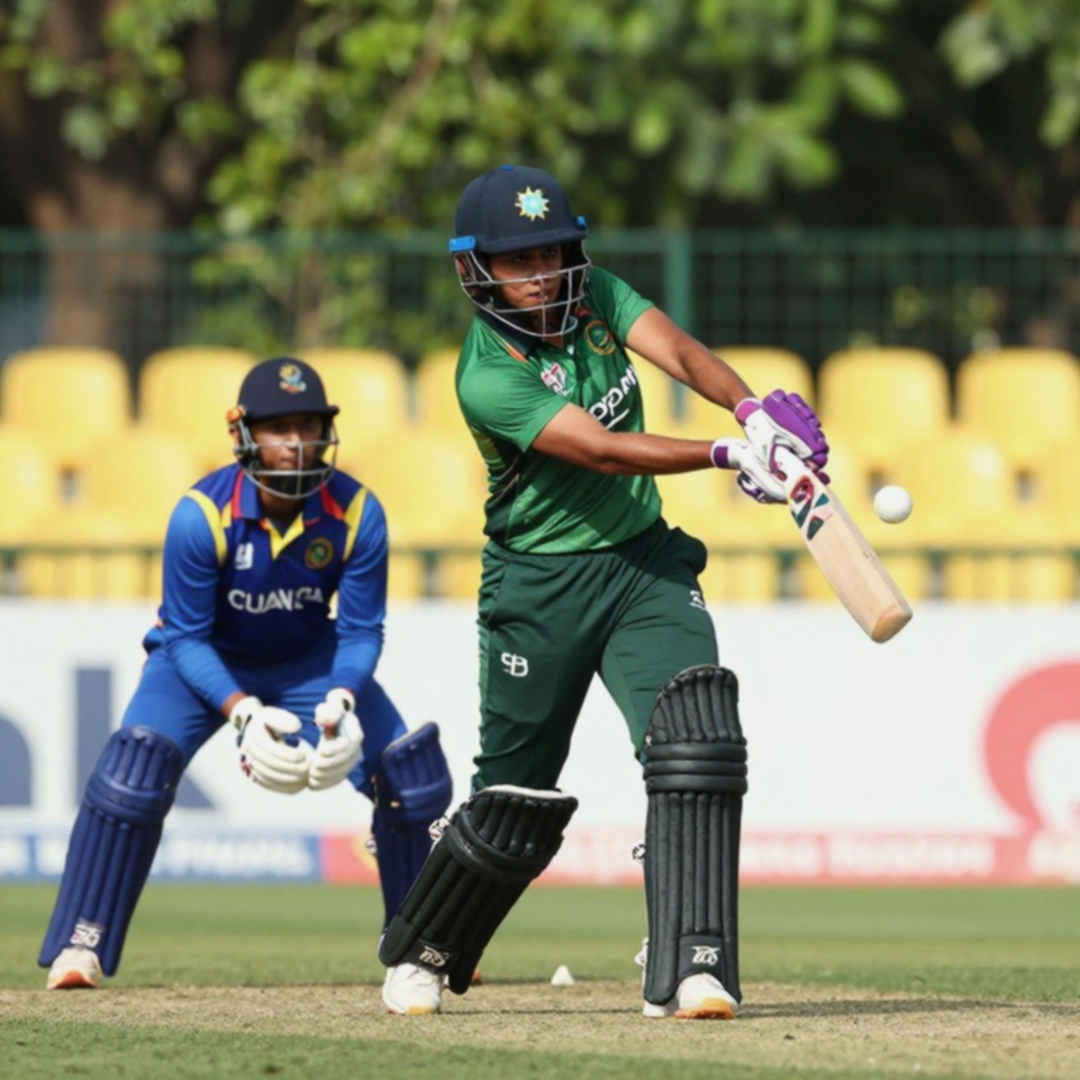
Clear the format first, because that is where most errors begin. This is Bangladesh's National Cricket League — domestic first-class, four-day, division-based. It is not Test cricket. NCL averages, strike rates and innings lengths cannot be mapped directly onto Test or ODI benchmarks. Every conclusion here is scoped to that domestic first-class context.

Four fixtures are covered. At least one lost day one to rain. Dhaka Division beat Rajshahi — Rajshahi were 10 for 3 on day three, made 162, then 256 following on. That reads as the only clear result of the round. Sylhet declared at 623 for 6 against Khulna and the match was called off at 199 for 7 with an hour left. Mymensingh were 61 for 5 at stumps on day four. Rangpur batted out the remaining 78 overs.
One result in four — roughly 25 percent. That is an uncomfortable figure for a competition whose core purpose is producing bowlers capable of taking twenty wickets.
No venue, pitch type or grass coverage is recorded anywhere. But 623/6d, 465/7d, 282, 217*, 165 and 160 arriving together quietly says at least two surfaces were flat and low on bounce, helping neither seam nor spin. That is inference, not evidence, and should be read as such.
Naim Sheikh is a left-handed opener. 282 off 369 balls, 21 fours and 7 sixes — 126 runs in boundaries, 44.7 percent of the total. That share is normal for a long first-class innings. At 65-70 percent you could argue he took risk. At 44.7 he scored runs without donating wickets.
The shape of the innings lives in the partnership. 363 for the fourth wicket with Mahidul Islam Ankon (165). When one stand accounts for more than half a team's total, the innings is not a lone-hand rescue but a two-man transaction — and that skill transfers less readily than the others.
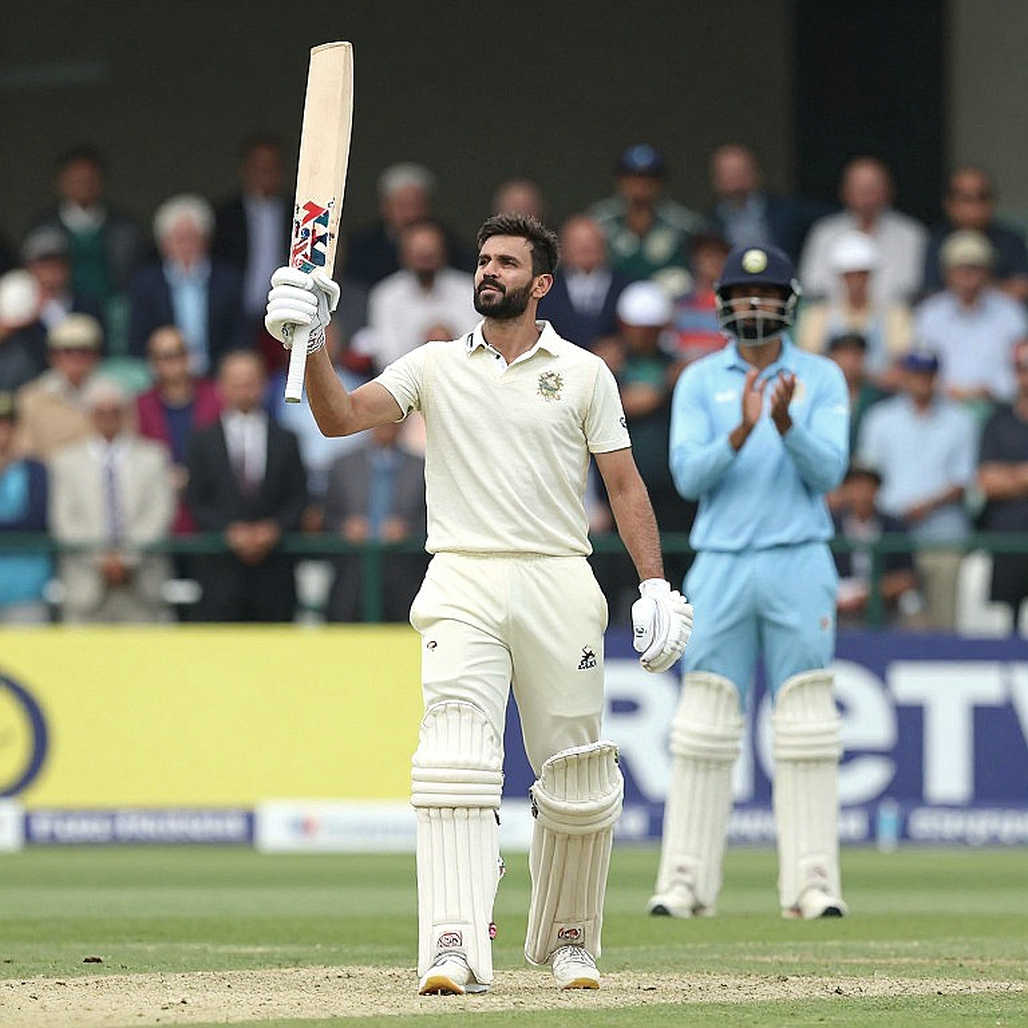
A pause is needed here. 282 off 369 balls is strong evidence of technical patience; it is not evidence of Test-level capacity against high-quality pace or spin. Form and concentration are one question, capability another. On NCL's flat surfaces the two look identical, and that is the illusion that reaches the selection table.
Rajshahi's collapse is the key to pricing this innings. Slipping from 10 for 3 to 162, then 256 following on, was a batting failure, not a bowling masterclass. Look at how the wickets split: Sumon Khan 4, Wasi Siddiquee 4, Anamul Haque 3. A specialist seamer, a legspinner, a part-timer. When wickets reach a part-timer and nobody has five, the attack was not dominant; the opposing batting was thin.
In the 2026-18 Ranji season I hand-tagged 4,180 deliveries from the old Eden Gardens block — seam position, release angle, pitch landing on a nine-zone grid. The most useful column was never wickets; it was "false shots induced." That column flagged a reserve seamer, Mukesh Kumar, whose wobble-seam release sat measurably wider than the squad's other right-arm pacers. I wrote 2,000 words on it; nobody at the association read them.
The spreadsheet had 4,180 rows. Not one of them explained the noise. The same lesson applies here: without a "false shots induced" column, 282 and 256 look the same colour.
The most important line of this round was not Naim's. It was Amite Hasan's third double-hundred — 335 balls, 16 fours, two sixes, boundary share under 38 percent. A third double-century is not coincidence, it is habit — and for the long format that habit is the most expensive thing available. The other half of the truth: repeatability inside a flat-pitch competition is the weakest form of repeatability.
Mahfijul Islam's 217 not out raised the scoring-rate question. 642 minutes at the crease — ten hours forty-two minutes. A 642-minute innings is a statement of technique and simultaneously a statement about how hard it was to get out on that surface.
Sylhet's declaration belongs in the same frame. Day one lost to rain, day four the last, and a declaration at 623 for 6. There were no overs left to bowl Khulna out twice. Where the points table awards first-innings lead points, a day-four declaration is not a match-winning strategy — it is bookkeeping.
Rangpur's 78 overs, Mymensingh's 61 for 5 and Khulna's 199 for 7 all followed one logic: results are risky, survival is cheap.
A Russian summer taught me that weather is a variable nobody puts in the model. In football pressing triggers change when rain arrives; in cricket's domestic points arithmetic a single washed-out day rewrites the purpose of the whole match. This round lost a day, and three matches became arithmetic rather than strategy.
The headline says Naim's 282 carried Dhaka Division to second place. Right direction, wrong cause.
Dhaka Division did not win this match through Naim's bat — Rajshahi's batting won it for them. Both 162 and 256 came from a side that had lost three wickets for ten runs in the first innings and offered no resistance in the second either. The margin of victory is inflated by opponent collapse, not by sustained pressure. Had Rajshahi made 280 instead of 162, the same 282 would carry a different meaning in a different match.
The second layer is the milestone reflex. 282 went on the front page; Amite Hasan's third double-hundred went into a paragraph. That is not selection bias, it is an incentive defect. A system that gives the biggest score the biggest space inadvertently manufactures big scores and not the capacity to take twenty wickets.
The shortfall visible in the NCL is not one of talent but of selection incentives. A competition producing one result in four, with no five-wicket haul in a round, becomes a batters' factory — because first-innings lead points reward the bat and reward a 78-over unbeaten innings too.
That is the real blind spot. Nobody is asking what bowling Naim's 282 actually saw. If a first-class league cannot produce a single five-wicket haul in a round where 623 was scored, then the selection debates citing NCL averages are pricing a market that has stopped pricing risk.
Next NCL round, watch two things, not 282. First: Naim Sheikh against the new ball on a surface with morning moisture, where the seam moves — that innings will say more than this 282. Second: whether any bowler breaks the four-wicket ceiling.
Amite Hasan's fourth double-hundred will be worth more than Naim's next 282. The headline will go the other way regardless. That is the gap still to be measured.