
Deepti Sharma's first WODI century at No. 6 or lower: the record is real, the degree of difficulty is not yet measured
**मुख्य उत्तर** दीप्ति शर्मा ने वडोदरा में जिम्बाब्वे महिला टीम के खिलाफ 86 गेंदों पर नाबाद 106 रन बनाए और छठे या उससे नीचे बल्लेबाजी क्रम पर WODI शतक लगाने वाली पहली भारतीय महिला बनीं। भारत ने 328/6 बनाकर 329 का लक्ष्य रखा; हरमनप्रीत कौर ने 126 रन की पारी में अपना आठवां WODI शतक पूरा किया। **मुख्य तथ्य** - दीप्ति शर्मा: 106* रन, 86 गेंद, 15 चौके, स्ट्राइक रेट करीब 123.3; शतक 83 गेंदों पर पूरा हुआ। - हरमनप्रीत कौर: 126 रन, 121 गेंद, स्ट्राइक रेट करीब 104; आठवां WODI शतक, मिताली राज के सात शतकों से आगे। - पांचवें विकेट के लिए 153 रन की साझेदारी भारतीय महिला WODI रिकॉर्ड है। - जिम्बाब्वे महिला टीम की गेंदबाजी ने पूरी पारी में करीब 6.6 रन प्रति ओवर दिए। - इस क्रम पर पिछला रिकॉर्ड रिचा घोष का 94 था, जो दक्षिण अफ्रीका के खिलाफ बना था। **स्रोत** मूल स्रोत: द टाइम्स ऑफ इंडिया (TOI) की मैच रिपोर्ट, वडोदरा में खेला गया दूसरा WODI। मूल रिपोर्ट में प्रकाशन तिथि, टॉस, जिम्बाब्वे की गेंदबाजी के आंकड़े और मैच का नतीजा दर्ज नहीं है; ये तत्व सत्यापन के लिए बाकी हैं। **संबंधित प्रश्न-उत्तर** प्रश्न: क्या दीप्ति शर्मा का यह शतक उन्हें स्थायी रूप से ऊपर बल्लेबाजी क्रम पर जगह दिलाता है? उत्तर: एक पारी का नमूना इसके लिए पर्याप्त नहीं, क्योंकि उनकी मुख्य भूमिका ऑफ-स्पिन गेंदबाजी रही है और यह आंकड़ा कमज़ोर जिम्बाब्वे गेंदबाजी के खिलाफ आया। प्रश्न: हरमनप्रीत कौर का आठवां WODI शतक किस रिकॉर्ड को पीछे छोड़ता है? उत्तर: उन्होंने मिताली राज के सात WODI शतक पीछे छोड़े और भारत की सूची में स्मृति मंधाना के बाद दूसरे स्थान पर पहुंचीं। प्रश्न: इस रिकॉर्ड का असली मूल्यांकन कब संभव होगा? उत्तर: जब दीप्ति शर्मा ऑस्ट्रेलिया, इंग्लैंड या दक्षिण अफ्रीका के खिलाफ छठे नंबर पर खेलें और स्ट्राइक रेट 100 के आसपास बना रहे।
The scoreboard in Vadodara that Sunday carried one number in lights: 106 not out, off 86 balls, with 15 fours. Deepti Sharma is now the first Indian woman to score a Women's ODI century batting at No. 6 or lower, and that is factually correct and officially logged. What the headline did not carry is the other end of the scorecard: 328 for 6, and Zimbabwe Women bowling at it. I spent 2026 learning to read a match as a sequence of prices, and one habit has stayed — before reading any record, ask who was in front of it. Here the answer is clean, and it sets the entire context for this innings.
The frame first. This was the second WODI of the series, at home in Vadodara, 50 overs. India made 328 for 6, which set a target of 329. Harmanpreet Kaur made 126 off 121 balls at a strike rate of about 104 — her eighth WODI century, moving past Mithali Raj's seven and into second place on India's list behind Smriti Mandhana. The fifth-wicket stand produced 153 runs, a record, and it pulled the innings forward from the middle. Deepti reached her hundred off 83 balls.
One detail needs logging because the headline skipped it. On India's list of fastest WODI hundreds, Mandhana's 50-ball effort sits at the top; Deepti's 83-ball hundred sits at the slow end of that same list. The previous record at No. 6 or lower was Richa Ghosh's 94, made against South Africa. The source report does not carry the toss, Zimbabwe's bowling figures, or the result. That gap is itself information: record-driven coverage tends to drop precisely the part that measures how hard the record was.
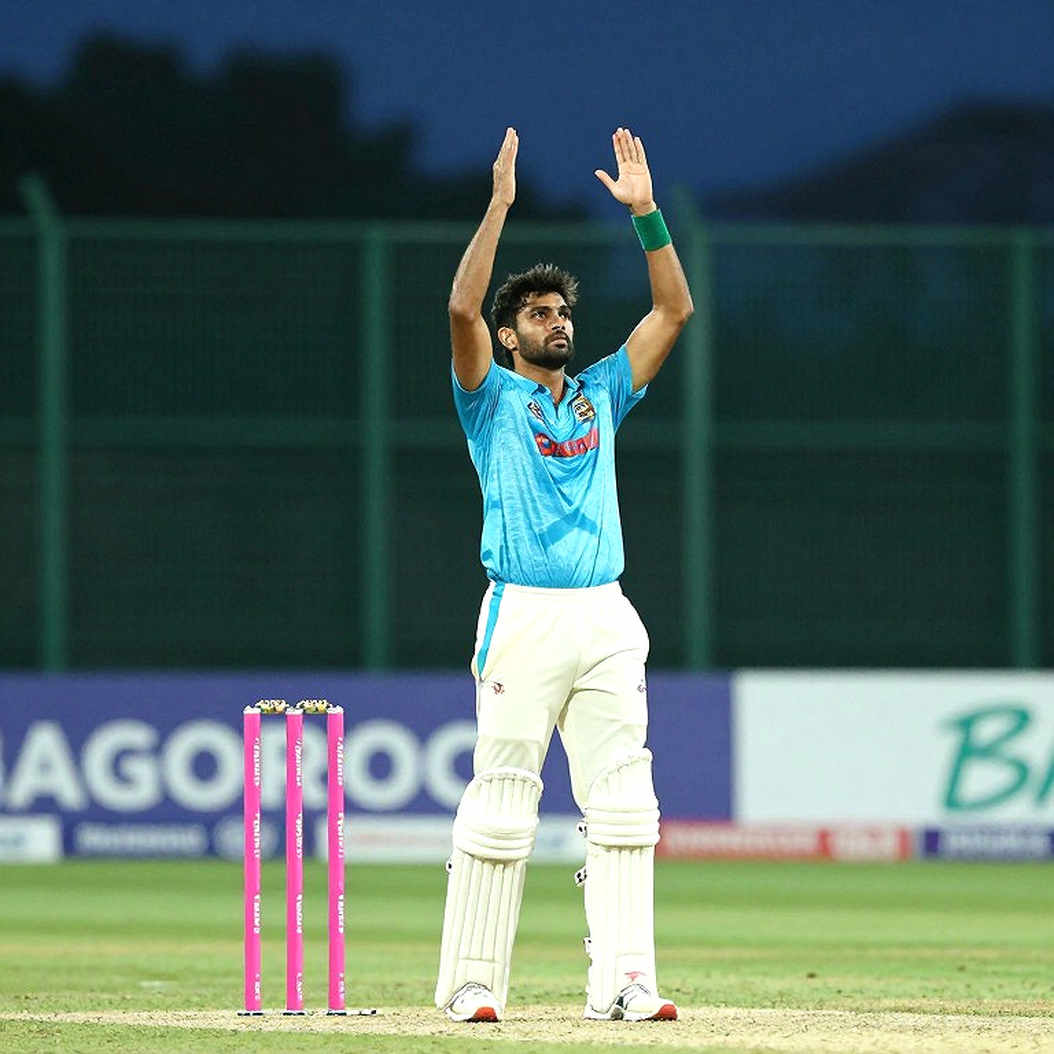
The technical layer. 106 not out off 86 balls is a strike rate of roughly 123.3, and it was 120.5 when she reached three figures. The general WODI target for a finisher sits between 90 and 110, so this sits above the benchmark. Fifteen fours means at least 60 runs from boundaries alone, more than 57% of the innings. Staying unbeaten is the part that matters most: Deepti fused the two hardest finisher skills in one innings — building an innings, then accelerating it, and still being there at the end. This was not a tail-ender's slog.
Harmanpreet's 126 was the anchor job, and the two innings were not duplicates of each other but requirements of each other — one held the rate, the other released it. The 153-run fifth-wicket stand is not just a record; it is structural evidence of India's batting depth: centuries from No. 6 and from No. 4-5 in the same innings says the lower order can now win an innings.
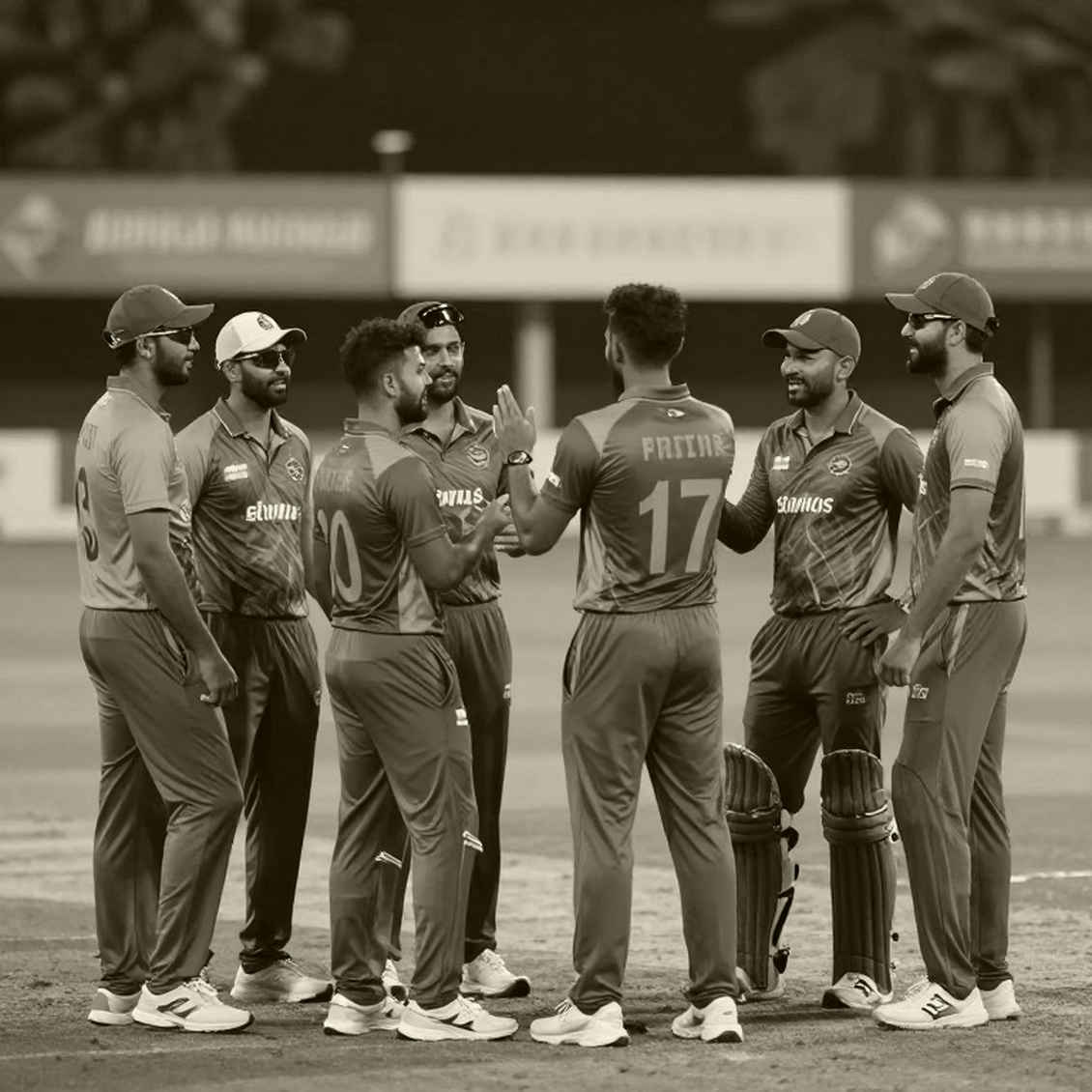
Then the part the headline left alone. Zimbabwe's attack went at roughly 6.6 runs per over across the innings, a figure that describes how inexperienced the bowling was. A par women's ODI total is generally read at around 250-280; 328 for 6 sits well above it, and the gap is a statement about the bowling as much as about the batting. Deepti's career WODI strike rate is materially lower than this innings — that figure is not in the source and stays pending verification, but her role has been bowling-first all-rounder throughout. The 123 is an outlier, not a new normal. The fixture itself sits at the extreme top-versus-bottom end of the women's game, and such fixtures generate records rather than contests.
This is where the easy error lives. One century, a weak opponent, a flat home pitch — and the call goes up to move her up the order. That is correlation wearing causation's coat. Richa Ghosh's 94 came against South Africa; Deepti's 106 came against Zimbabwe. Bigger in volume, smaller in difficulty. Weighing the two on the same scale is the error I made in 2026, when I dressed one metric in another format's numbers. Every number I trust carries a scar from a season I got wrong.
The second thread is Harmanpreet. An eighth century has arrived at the age where the numbers start bending down rather than up. India's dependence on her cuts both ways — she is the most reliable middle-order batter in the side and its largest succession risk at the same time. Deepti's dual load is not small either: frontline off-spin plus now proven match-winning batting means injury and burnout exposure on both sides of the ledger.
There is a version of this game that only the numbers saw, and I owe it a hearing. That version says the innings' value lies in structure rather than in runs — India saw, for the first time in a while, a lower order that can hold an innings under pressure. The same version says that value gets paid out only when it is repeated against Australia, England or South Africa.
So the record does not need retiring, only correct weighting. The next signal is specific: when Deepti bats at No. 6 against a top side, does the strike rate hold near 100? The day it does, this innings stops being a No. 6 century and becomes a No. 6 solution. Until then it is a genuine record whose difficulty has not been measured — and anyone treating it as settled should also answer who was bowling.