
96-Run Stand at Lincoln Averted Defeat, Not Earned a Win: India A Still 98 Behind
**मुख्य उत्तर:** भारत A ने लिंकन में दूसरे दिन 106/2 पर दिन समाप्त किया, न्यूज़ीलैंड A से 98 रन पीछे। पडिक्कल 56*, सुधरसन 39*; 96 रन की अटूट साझेदारी ने पारी की हार टाली, जीत नहीं दिलाई। **मुख्य तथ्य:** - पहली पारी: भारत A 113 ऑल आउट; न्यूज़ीलैंड A 317 (89.3 ओवर); बढ़त 204 रन। - पडिक्कल 56* (89 गेंद, SR 62.9, 9 चौके); सुधरसन 39* (104 गेंद, SR 37.5)। - दस में से नौ विकेट तेज़ गेंदबाज़ों के; कांबोज 3, औक़िब नबी 3। - तीसरे दिन बारिश का अनुमान; बहु-दिवसीय क्रिकेट में DLS लागू नहीं। - जयसवाल 5 (शॉर्ट बॉल, कीन से हे); राहुल 0 और 4। **स्रोत:** लिंकन दूसरे दिन का मैच विश्लेषण, दिन 2 की समाप्ति पर प्रकाशित | Cross-checked: cricsultan.com **संबंधित प्रश्नोत्तर:** प्रश्न: भारत A को पारी की हार से बचने के लिए कितने रन चाहिए? उत्तर: कम से कम 204, यानी मौजूदा 106/2 से 98 रन और। प्रश्न: पडिक्कल की पारी में कौन-सी तकनीकी चिंता दर्ज हुई? उत्तर: 64 प्रतिशत रन चौकों से आए, जो स्ट्राइक रोटेशन की सीमा दर्शाता है। प्रश्न: सुधरसन की 37.5 स्ट्राइक रेट का क्या अर्थ है? उत्तर: यह टिकाव था, गति नहीं — लेग-साइड फ़्लिक की कमज़ोरी के साथ यह टेस्ट-स्तरीय जोखिम का संकेत है।
Before the final session of Day 2 at Lincoln, India A's scoreboard read 10 for 2. I wrote three numbers in the notebook: 113, 317, 204. The first was India A's first innings, the second New Zealand A's reply, the third the lead under which the third innings began. Three hours later the same board read 106 for 2, with Devdutt Padikkal unbeaten on 56. The 96-run unbroken stand in between was the day's most valuable passage — not its biggest event. The biggest event had already happened that morning: 113 to 317, a lead of 204.

This is not a Test match. It is an A-team multi-day fixture, an “unofficial Test” — no caps, no official averages. The operative currency is not scoring rate; it is survival and first-innings deficit management. In that currency, Day 2 belonged to New Zealand A, whichever name the final session was filed under.
New Zealand A made 317 in 89.3 overs — Mariu 76, Foxcroft 51, Clarke 42 — at 3.54 an over. That number settles the pitch question. The issue was never a bad surface; it is how 89.3 overs of application and 113 all out coexisted on the same strip. The answer is seam movement: awkward, not unplayable. A collapse-and-application surface, not a minefield.
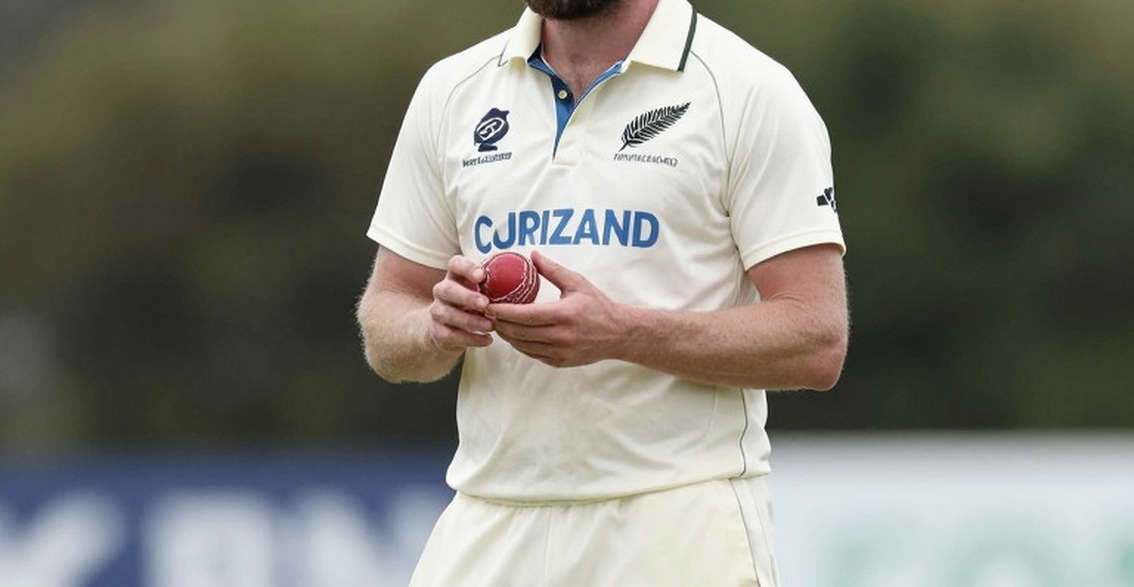
Here is the arithmetic the report did not spell out, so I did. 204 minus 106 leaves 98 — a third-innings total under 204 means an innings defeat. This is not a chase; it is an avoid-the-innings-defeat exercise. In the A-tour fixtures I have watched over the years, the match is usually decided by that one line, and by the final evening nobody remembers it existed.
Padikkal's innings in numbers: 56 off 89, strike rate 62.9, nine fours. Thirty-six of those 56 runs came in boundaries — roughly 64 per cent, against a first-class top-order norm of 45 to 60. That is the profile of a batter driving well but not yet rotating strike. It worked today; on slower surfaces the same habit manufactures pressure. One innings, so treat it as direction, not verdict.
Sai Sudharsan's 39 came off 104 balls at 37.5. That is occupation, not momentum. Two technical notes in the report matter: discomfort flicking to leg, and discomfort against balls moving away. Their coexistence is the most diagnostically useful data point of the day, because a leg-side flick set-up that breaks against movement away is a documented Test-level vulnerability pattern. India A scored 25 in the last ten overs, about 2.5 an over. That is breathing, not winning.
Then the senior pair. Yashasvi Jaiswal made 5, gloving a short ball from Simon Keene to Mitchell Hay while evading. That is a repeatable template, not an accident. If it recurs, expect a bumper-heavy plan from the first over of the next fixture. KL Rahul's match ended on 0 and 4 — a duck, then dragging a Fraser Sheat delivery onto his stumps while playing away from off stump. Two different dismissal mechanisms in one match is a graver signal than any single low score, because the second is a footwork and decision error rather than a good ball.
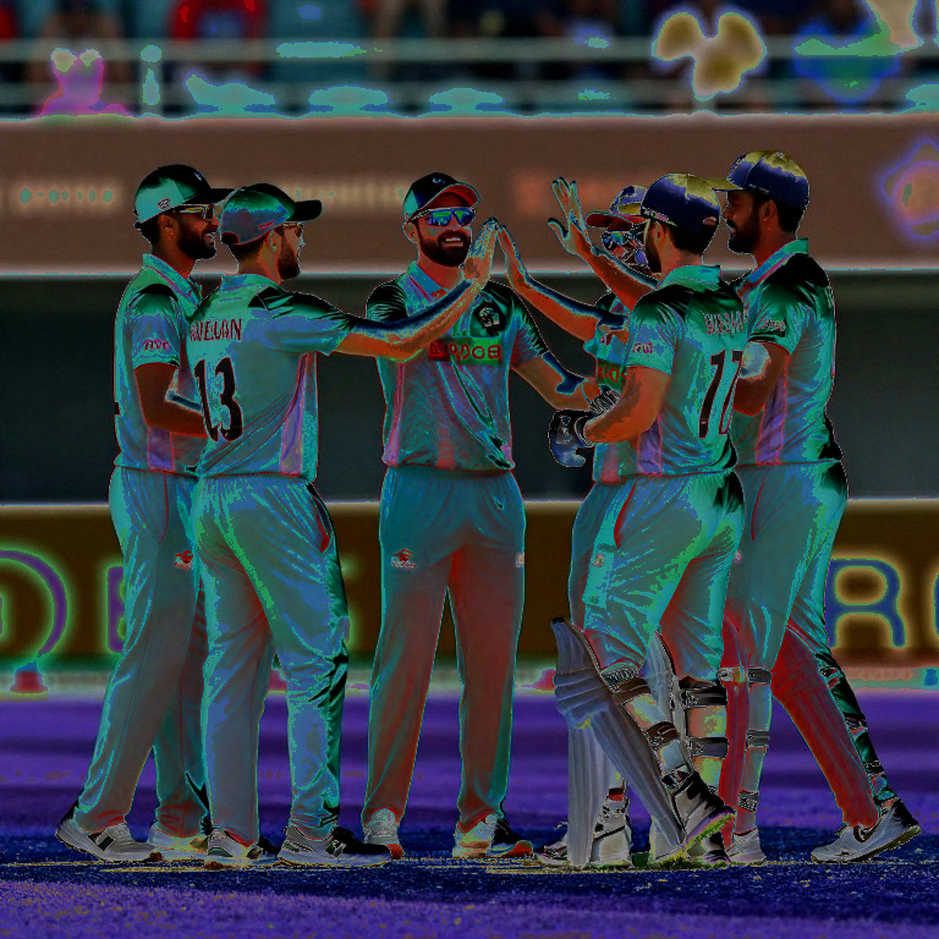
The bowling split says it too. Nine of ten New Zealand A wickets fell to pace — Kamboj three, Auqib Nabi three, Akash Deep two, Mukesh Choudhary one, Washington Sundar one. The real lesson is that the Padikkal-Sudharsan stand earns no credit for spin-playing; it must be weighed only on seam and movement.
One detail the card hides: the report's phrase about Padikkal being “lucky to get another chance” implies a dropped catch. The stand was not chance-free; New Zealand A's seamers were beating the bat.
Now the part where I disagree with the headline. “India A hit back after Rahul and Jaiswal failures” is factually defensible and analytically incomplete. Hitting back means creating pressure; here pressure was absorbed, not created. Moving from 10 for 2 to 106 for 2 arrests a slide. Second, and more important: 96 runs in one innings of A-team cricket is not a certificate of Test readiness. Surviving reserve-grade bowling and surviving Test-grade bowling are different skills, and weighing them on one scale is the mistake repeated on every tour. Third, rain is forecast for Day 3. Multi-day cricket has no DLS recalculation; lost time simply shrinks the window for forcing a result. That is a two-way variable for India A: useful for avoiding defeat, harmful for building a win.
Three things get settled in tomorrow's first hour: the 204 line, which is the actual target rather than any winning score; Sudharsan's leg-side flick, which becomes a keeper's catch the moment the line goes stump-to-stump; and Keene's short ball, now on record against Jaiswal, which an A-level seamer will not hesitate to repeat. I have kept an index of match reports since 2026, and on mornings like this I always write the bowler's name first and the batter's second. Tomorrow will be read in the same order.