
The Ledger of the Empty Raid: In Kabaddi's Regular Season, Matches Are Being Decided by the Clock, Not the Scoreboard
**मुख्य उत्तर:** नियमित सीज़न में कबड्डी की रेड-सक्सेस दर गिरने का अर्थ हमले का कमज़ोर होना नहीं है। टीमें जानबूझकर खाली रेड खेलकर 30-सेकंड की घड़ी धीमी करती हैं और अपने कमज़ोर कवर को बचाती हैं; असली संकेत तीसरी रेड की डू-ऑर-डाई कन्वर्ज़न दर और बाएं कवर के टैकल पॉइंट में मिलता है। **मुख्य तथ्य:** - सीज़न 5 (2017) में 68 मैचों की 1,104 रेड दर्ज; तेलुगु टाइटंस के 12 घरेलू मैचों में 7 हार तब, जब बाएं कवर ने 4 से ज़्यादा टैकल पॉइंट दिए। - लगातार दो खाली रेड के बाद तीसरी रेड डू-ऑर-डाई होती है; यही नियम टेम्पो नियंत्रण का केंद्र है। - अगस्त 2018, जकार्ता एशियाई खेल सेमीफ़ाइनल: भारत 18-27 से ईरान से हारा, जो पहला चूका हुआ स्वर्ण था। - सीज़न 7 (2019) की 137 मैचों की समीक्षा में 1,236 रेड दर्ज; सर्वाधिक रेड-सक्सेस दर वाली टीमें ज़रूरी नहीं कि तालिका में शीर्ष पर रहीं। - महिला कबड्डी के पास एशियाई खेल स्वर्ण हैं, पर फ्रैंचाइज़ी लीग नहीं — यह आर्थिक तथ्य है, भावना नहीं। **स्रोत:** लेखक का कबड्डी बहीखाता (2017-2019) तथा अगस्त 2018 जकार्ता एशियाई खेल रिपोर्टिंग। **संबंधित प्रश्न-उत्तर:** प्रश्न: खाली रेड को रक्षात्मक रणनीति क्यों कहा जाता है? उत्तर: क्योंकि वह अंक नहीं, समय खरीदती है और साथी रेडर पर जल्दी करने का दबाव डालकर रेड की दिशा बदल देती है। प्रश्न: कौन-सा आंकड़ा सबसे पहले बदलता है? उत्तर: बाएं कवर के टैकल पॉइंट — घरेलू मैचों में 4 से ऊपर जाना नुकसान का शुरुआती संकेत है, और यह नतीजे से पहले दिखता है। प्रश्न: क्या महिला कबड्डी का डेटा इसी तरह पढ़ा जा सकता है? उत्तर: हाँ, पर फ्रैंचाइज़ी लीग के अभाव में मैच-वॉल्यूम कम रहता है, इसलिए नमूना छोटा और निष्कर्ष सतर्क रखने पड़ते हैं।
In the third row of the Gachibowli indoor hall, I was watching the 34th minute. What happened was not a raid — it was a pause. The left cover bent to straighten the tape on his ankle, the raider stood near the baulk line working his cant, and the 30-second clock on the scoreboard was running down. The raid came back empty. No foot crossed the baulk line, no contact, no High 5. Nobody rose from the bench. The coach wrote one line in his book and capped his pen. In my notebook that night, only one column filled: empty raid, minute 34, reason — left cover.
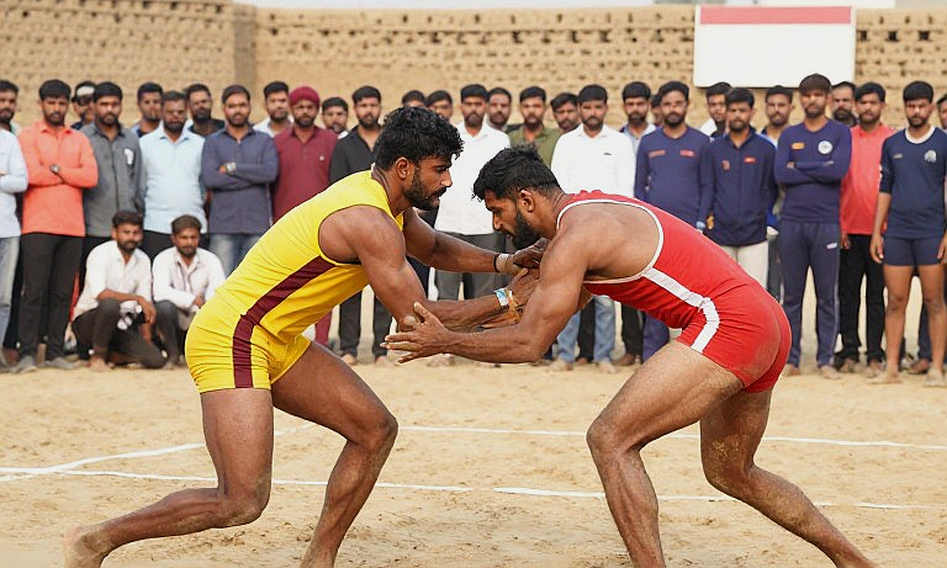
There had been an empty raid before it as well. Which meant the next raid was do-or-die; the rule is plain, after two consecutive empty raids the third must produce a point or the raider is out. He went for the bonus line and came back. Whether that raid survived is a later question. First it is worth understanding that what was being bought in that hall in the 34th minute was not a point. It was time.
In the regular season, the real subject is the clock
Kabaddi looks like a game of continuous motion, but it is a game of intervals. The thirty-second raid clock, the rhythm of the cant, the empty raid, the wait for a revival, and the single breath of do-or-die — a match is built in that sequence. In the regular season the sequence matters most, because across home-and-away travel, fatigue and long bus rides, teams manage minutes rather than scoreboards.
What I noticed first in the locker room was not the noise but the pauses. After the match, players sat with ice packs and said nothing; a trainer re-taped an ankle, a coach withheld a word, and the clock on the corner wall kept running down. I did not turn what was happening in that room into a statement — it was tape, fatigue and arithmetic.
I started the spreadsheet in a hostel room and only later understood it was a diary. Kabaddi has no institutional archive; since 2026, the columns — raid-success rate, Super 10s, High 5s, empty raids — are how this sport remembers itself. So when I read the signals of a regular season, I do not begin with the scoreboard. I begin with those columns.
The 2026 page that changed my method
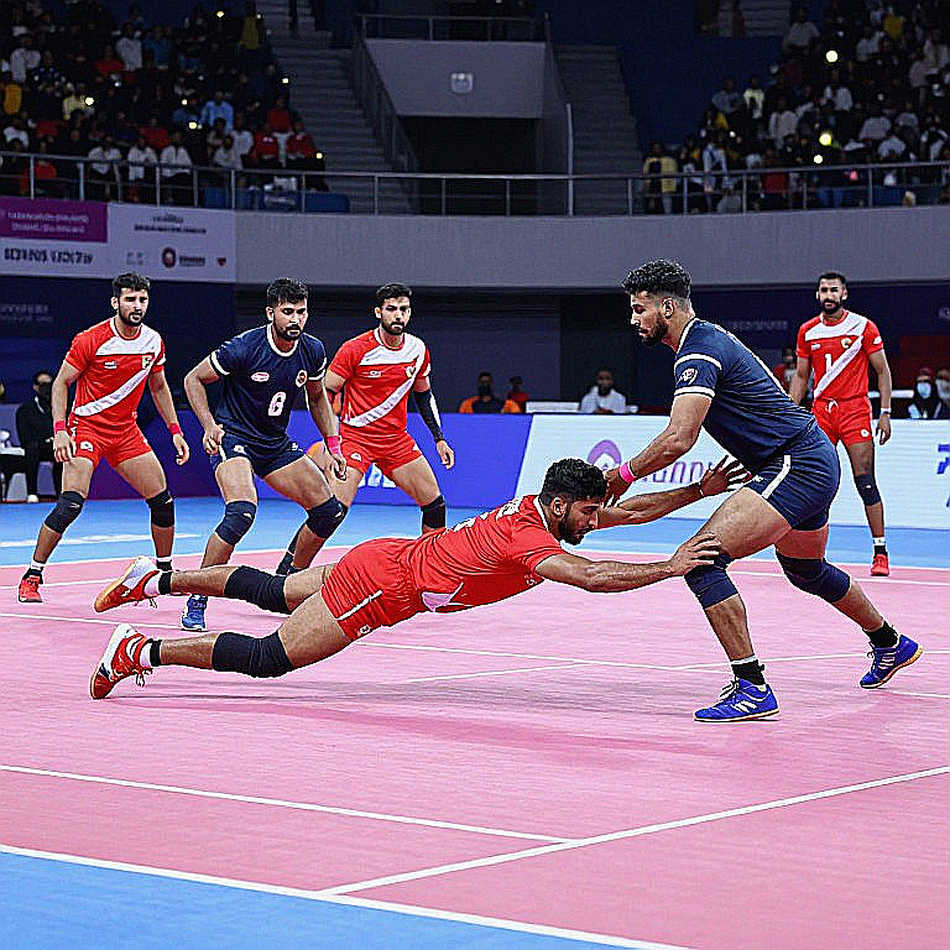
Season 5, 2026: 68 matches, 1,104 raids, logged one by one. Telugu Titans' hook was Rahul Chaudhari, but the sheet showed a team pattern — of 12 home matches, the 7 defeats were the ones in which the left cover conceded more than 4 tackle points. That number came not from a raider's brilliance but from a cover's position. I carried one printed page to an open training at Gachibowli and asked an assistant coach about cover rotation, not star names. He talked for twenty minutes.
In the full re-watch of Season 7 (2026), I logged 1,236 raid attempts across 137 matches. The pattern was clear: the teams with the highest raid-success rates were not necessarily at the top of the table. Raid-success rate does not describe a team's health; third-raid do-or-die conversion does. The sides that scored in that single raid stayed ahead through the grind of the regular season, because they had made the empty raid a plan rather than a crisis.
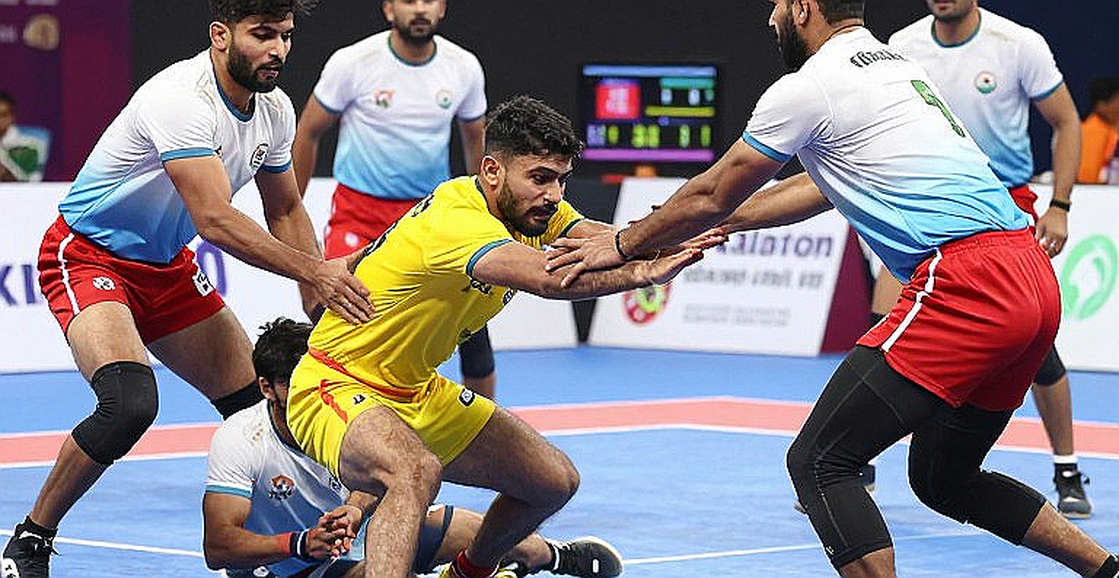
In this regular season, three things in my columns are moving first: the share of empty raids is up, the average raid duration is longer, and tackle points are clustering in the last ten minutes. All three tell the same story — teams are protecting position early, not points.
The empty raid is not a defeat; it is a purchase of time. When the left cover is taped or tired, leaving him alone in a one-against-two is self-harm. An empty raid pushes the clock down, puts pressure on the opposition raider to hurry, and buys a vulnerable cover one more raid. Nobody rises from the bench because it is not a loss. It is a purchase.
A High 5 is often compensation for a cover, not proof of one. When a corner defender takes five tackles, he is sometimes covering a leak that opened beside him. The promo cut shows his High 5; it does not show the cover shifting.
At home, a left cover above 4 tackle points is the most reliable early signal. It arrives before the result, because home tempo runs hot and the cover is dragged across the mat again and again.
From outside, this looks slow and timid
In broadcast language the empty raid is called defensiveness, and after a defeat comes the line that the raiders were passive. My columns say something else. The real error is not the empty raid but the second empty raid. The first is a plan; the second is usually panic, because it converts the next into a do-or-die and takes raider selection out of the bench's hands. Teams that recognise that single moment play the rest of the match at their own tempo.
The second outside error is the heatmap. A heatmap shows where a tackle happened, not who was standing where at the 22nd second, or who shifted forty centimetres sideways and changed the raider's angle. Heatmaps get read like tea leaves, when the information sits in cover rotation. Thirteen years of watching from the edge of the mat has taught me this: the brightest number is usually the latest one.
Jakarta taught me that heat has a tempo, and so does waiting. In the semifinal of the August 2026 Asian Games, India lost 18-27 to Iran, days after a 23-24 group defeat to South Korea; it was India's first missed Asian Games gold. That night I did not ask who was to blame. I asked about corner pressure and do-or-die raid choices. Fazel Atrachali had already shown the Pro League how wrestling-based defence changes angles. I do not bend every new claim back toward that loss; it is a dated baseline, not a conclusion.
And the people left outside that room belong to the same ledger. For eleven months the season was gone, and I kept counting anyway — 42 calls over eleven months with 14 players and 6 staff, plus a full re-watch of all 137 matches of Season 7. What I heard most in that stretch was isolation, and there is no column for it.
What to watch next
Over the coming round, watch three things: third-raid do-or-die conversion; the left cover's tackle count at home against away; and whether any team can play the second empty raid as a plan rather than a flinch. The women's side has Asian Games golds and still no franchise league — that is an economic fact, not a sentiment, and it is the empty column in this same ledger. The question is what the coach in the dugout writes in his book the next time the clock runs from 30 down to zero.